EndoAxis Clinical Team
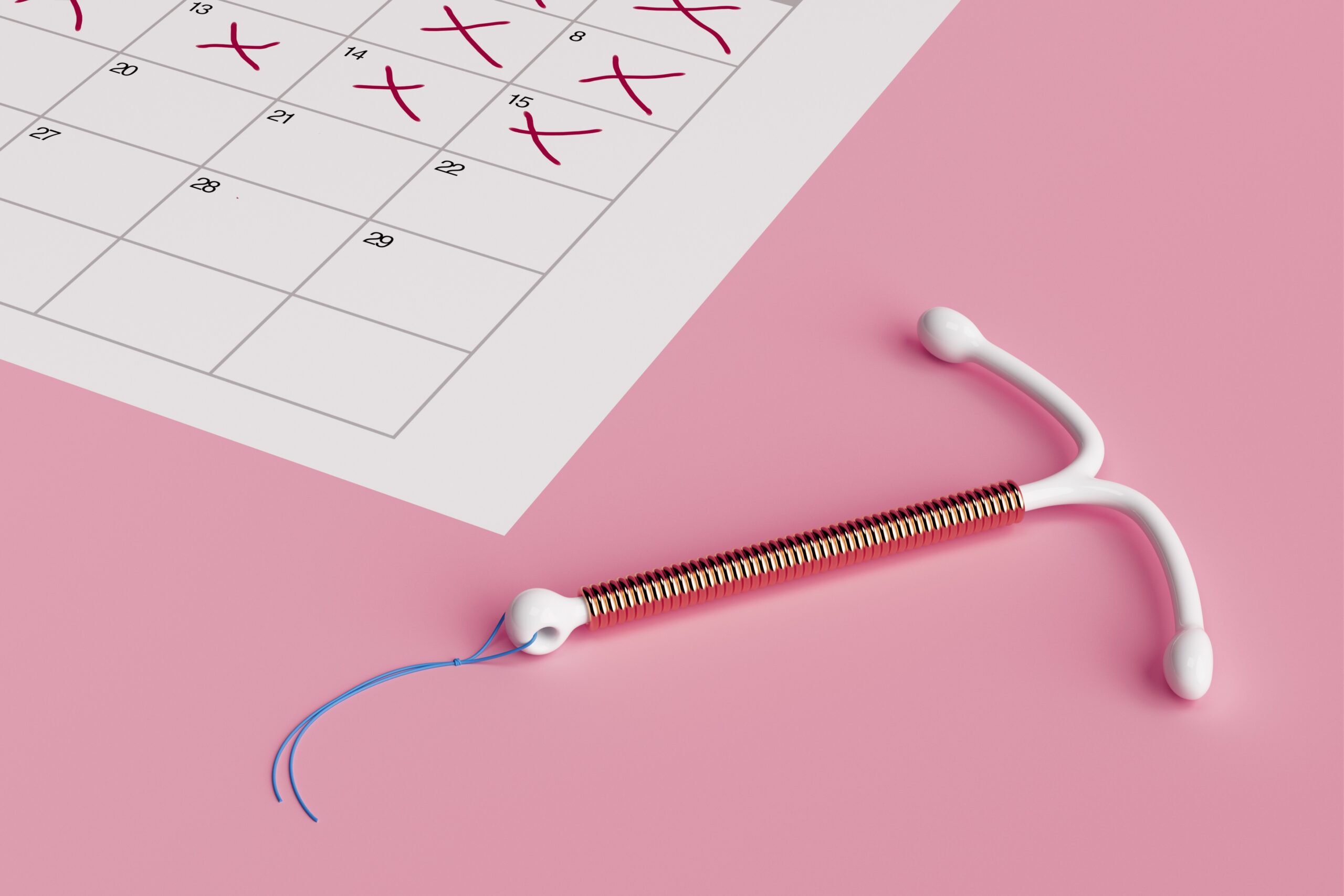
There is a caveat to our prior discussion on systemic hormonal contraception, and that is the hormonal IUD. Unlike oral contraceptives, injectables, or implants, the hormonal IUD does not always exert full systemic suppression of ovarian function. Instead, it delivers levonorgestrel locally to the uterine environment, which alters endometrial activity and prevents pregnancy through primarily localized mechanisms.
While some degree of systemic absorption does occur, physiological effects vary widely among users. This distinction is critical: whereas oral contraceptives predictably override the hypothalamic-pituitary-ovarian (HPO) axis, the IUD often allows partial ovarian hormone production to persist, including ongoing estrogen synthesis and, in many women, ovulation itself.
This unique pharmacological profile requires a different clinical framework. Symptom presentation, the utility of hormone testing, and the strategies for supportive care diverge significantly from those relevant to systemic hormonal contraception.
In this section, we will outline how to evaluate and support women specifically using a hormonal IUD, with emphasis on nutrient repletion, gut and liver health, and careful interpretation of estrogen-related symptoms.
How Hormonal IUDs Work
Hormonal IUDs such as Mirena, Kyleena, Liletta, and Skyla release a small, steady dose of levonorgestrel (a synthetic progestin) directly into the uterus. The primary action is local—suppressing the endometrium and creating a hostile environment for sperm.
While the hormone release from an IUD is designed to be local, some systemic absorption does occur, and this can vary between individuals and IUD formulations. As a result:
- In some women, partial to full suppression of the HPO axis may occur, particularly with higher-dose IUDs like Mirena.
- In others, FSH and LH may remain active, allowing ongoing follicular development and estrogen synthesis.
- Ovulation may continue in many users—estimated in ~50% or more, depending on the IUD type and individual response.
Clinical Relevance
Because estrogen production may be preserved, testing sex hormones could be considered if symptoms are significant and suggest hormone dysfunction.
However:
- Progestin dominance and androgenic effects (like acne, mood changes, or hair changes) may still occur due to systemic absorption of levonorgestrel, not their own endogenous sex hormones.
- Testing sex hormones can still be inconclusive or misleading due to the partial suppression and lack of predictable hormone cycling.
Nutrient Depletion and Whole-Body Support
Like other forms of hormonal contraception, IUDs can deplete:
- B vitamins, magnesium, zinc, selenium
- Antioxidants (vitamin C, vitamin E, CoQ10)
- Gut microbiota diversity
Supporting these nutrients through diet and supplementation can reduce side effects and build resilience.
Common IUD- Related Symptoms
- Mood changes
- Acne, hair changes, or oily skin (from progestin’s androgenic effects)
- Breast tenderness or bloating (if estrogen is still cycling)
- Fatigue or low libido
Supportive Clinical Approach
Nutrient support: foundational vitamins, minerals, and antioxidants.
Adrenal & thyroid testing: especially if fatigue or mood symptoms are significant.
Gut and liver support: probiotics, digestive enzymes, liver detox nutrients like NAC or milk thistle.
Estrogen dominance caveat: if a patient continues to produce estrogen, liver support can help reduce excess estrogen without interfering with the IUD’s contraceptive action.
When Symptoms Persist
If symptoms remain challenging, it’s important to consider whether the IUD itself is contributing. Some women thrive with an IUD, while others experience ongoing side effects that only resolve once the device is removed.