EndoAxis Clinical Team
Disclaimer
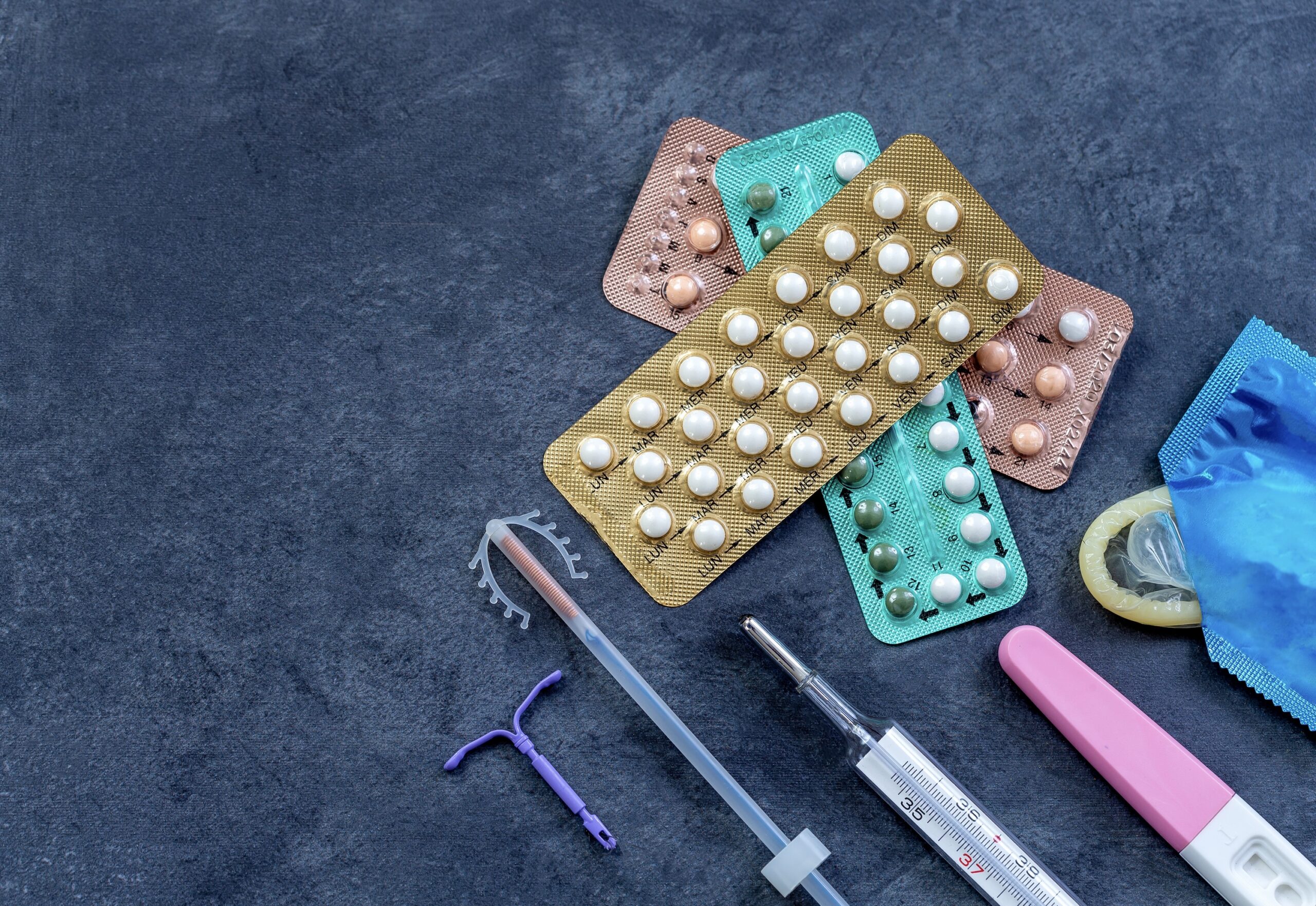
Discontinuation of hormonal birth control should only be undertaken with full patient consent and readiness, and ideally under the support and guidance of a healthcare professional. In cases where contraception is still needed, a reliable backup method must be in place. It is critical to underscore that hormonal birth control remains a valid and often valuable therapeutic tool for managing complex symptoms in the right context and is an efficient way to provide contraception. Its discontinuation should be carefully weighed in light of the patient’s reproductive goals, risk factors, and overall health.
Navigating the Complex Role of Hormonal Birth Control in Women’s Health
Hormonal contraceptives have long held a central role in reproductive health—offering effective pregnancy prevention, regulating menstrual cycles, reducing menstrual pain, and serving as therapeutic agents for conditions such as endometriosis, dysmenorrhea, and acne. When appropriately prescribed and aligned with a patient’s medical needs and reproductive goals, birth control can be life-enhancing and medically appropriate.
However, it is equally important to recognize that hormonal contraceptives are not universally benign, and that in certain contexts—particularly when side effects outweigh benefits—discontinuation may be both appropriate and beneficial.
Several studies have assessed the impact of hormonal versus non-hormonal or no contraception on key well-being indicators in reproductive-age women. Findings suggest that those using hormonal methods (e.g., combined oral contraceptives, progestin-only methods) may experience higher rates of anxiety, depressive symptoms, and sexual dissatisfaction compared to those using non-hormonal methods or no contraception at all.
Importantly, these findings do not negate the legitimate benefits of hormonal contraception, but rather reinforce the need for personalized, patient-centered care—where the decision to initiate, continue, or discontinue birth control is made with careful consideration of the individual’s physical, mental, and reproductive health landscape.
Key Considerations for Transitioning off Birth Control
Transitioning off hormonal contraception can be a significant physiological and emotional shift. While many individuals resume regular cycles and ovulation within a few months, others may experience delayed return of HPO-axis activity, or symptoms commonly referred to as “post-birth control syndrome” (PBCS)—including acne, mood changes, irregular cycles, or digestive disturbances.
To support a smoother transition and optimize reproductive and systemic health, clinicians and patients should consider the following areas of focus:
- Reactivating the Hypothalamic-Pituitary-Ovarian (HPO) Axis
- Supporting Liver and Gut Function for Hormone Clearance
- Reducing Oxidative Stress and Inflammation
- Endometrial Health and Prostaglandin Balance
- Seed Cycling and Nutritional Foundations for Hormonal Health
- Lifestyle, Stress, and Environmental Considerations
Each of these areas is expanded in the sections that follow, providing practical, evidence-informed strategies to help restore natural hormone rhythms and support whole-body wellness after hormonal birth control.
The Rise of LC-MS/MS & Its Clinical Promise
The hypothalamic-pituitary-ovarian (HPO) axis is suppressed during the use of most hormonal contraceptives, especially combined oral contraceptives (COCs). Upon cessation, some individuals experience a delay in the return of ovulation, regular menstrual cycles, or experience post-birth control syndrome (PBCS) — a collection of symptoms often reported within 4-6 months after discontinuation of birth control that include amenorrhea, acne, mood disruptions, bowel changes, headaches, migraines, hair loss and more.
Goals of Support
- Facilitate reactivation of the HPO axis
- Support detoxification of residual synthetic hormones
- Enhance gut-liver hormone metabolism
- Restore ovulatory function and luteal phase health
- Reduce systemic oxidative stress and inflammation
- Replace the minerals lost while on conventional birth control (see Part 2 of our series for more on this!)
Supporting Liver Detoxification of Synthetic Hormones
The liver plays a crucial role in metabolizing synthetic estrogens and progestins via Phase I (cytochrome P450) and Phase II (conjugation) detoxification pathways.
Key Strategies:
- Sulfur-rich foods (garlic, onions, eggs): Support glutathione and sulfation pathways.
- B-vitamins (especially B6, B12, folate): Support methylation in Phase II detoxification.
- N-acetyl cysteine (NAC): Boosts glutathione and may reduce oxidative liver stress.
- NRF2 supporters: The use of sulforaphane (or glucoraphanin + myrosinase), can aid in the activation of NRF2, a potent antioxidant promoting enzyme that up-regulates glutathione synthesis, catalase, SOD and NQO1 to help reduce oxidative burden at a cellular level.
Reducing Oxidative Stress to Promote Follicular Health
Oxidative stress can impair ovarian follicle development, lower antral follicle count, and hinder ovulation. Reducing this burden is essential for folliculogenesis and oocyte quality.
Antioxidant Strategies:
- N-acetyl cysteine (NAC): Shown to improve ovulation and follicular health.
- Coenzyme Q10 (CoQ10): Enhances mitochondrial function in oocytes.
- Vitamin C & E: Scavenge free radicals and protect reproductive tissues.
- Omega-3 fatty acids: Anti-inflammatory and improve follicular fluid quality.
- Boswellia: Modulates NF-κB and reduces inflammatory cytokines.
Seed Cycling to Support Ovulatory Patterns
Protocol:
Follicular phase (Days 1–14):
- 1 tbsp ground flaxseed + 1 tbsp ground pumpkin seeds daily
- Fish oils: 2-3 g daily with food
- Supports estrogen production and clearance; reduces inflammation to help optimize antral follicle activity and FSH receptivity
Luteal phase (Days 15–28):
- 1 tbsp ground sesame + 1 tbsp sunflower seeds daily
- Borage oil or Evening primrose: 2-3g nightly
- Supports progesterone levels, promotes optimal prostaglandin response for healthy endometrial support
Mechanism:
Lignans modulate estrogen receptors and promote estrogen balance; zinc and vitamin E support the mitochondria of the corpus luteum, targeting optimal luteal health.
Lifestyle and Mind-body Considerations
Stress, under-eating, and over-exercising can delay the return of ovulation. Restoration of HPO axis function also requires adequate energy intake and stress management.
Recommendations:
- Ensure adequate caloric and protein intake
- Normalize circadian rhythms: Prioritize sleep and daylight exposure
- Stress reduction techniques: Meditation, yoga, acupuncture, or adaptogens (e.g., ashwagandha)
- Avoid endocrine disruptors: BPA, phthalates, parabens
Clinical Considerations and Timeline Expectations
Ovulation may resume within 1–3 months, but in some cases (especially after long-term or Depo-Provera use), it may take up to 12 months.
Monitoring basal body temperature (BBT), cervical mucus, or LH test strips can help assess return of ovulation.
Testing hormones following discontinuation of birth control could be completed after the return of 3 menstrual cycles. If a cycle does not return in a 3-6 month window, then testing could be considered at random to assess HPO-axis activity.
Labs may include:
- Day 21 (or 5-9 days before the start of their next menstrual period): Dutch panel or serum estradiol, progesterone, testosterone, DHEA-s (must combine serum testing with day 3 serum testing also)
- Day 3: Serum FSH, LH, prolactin, thyroid panel, AMH if indicated.
Conclusion
Supporting a patient through discontinuation of hormonal birth control involves a comprehensive approach targeting the liver, gut, ovarian axis, oxidative balance, and endometrial health. Through nutritional, botanical, and lifestyle strategies, clinicians can help promote a smooth hormonal transition and optimize long-term reproductive function.
Always assess individual needs, readiness, and use appropriate contraception if avoiding pregnancy.