EndoAxis Clinical Team
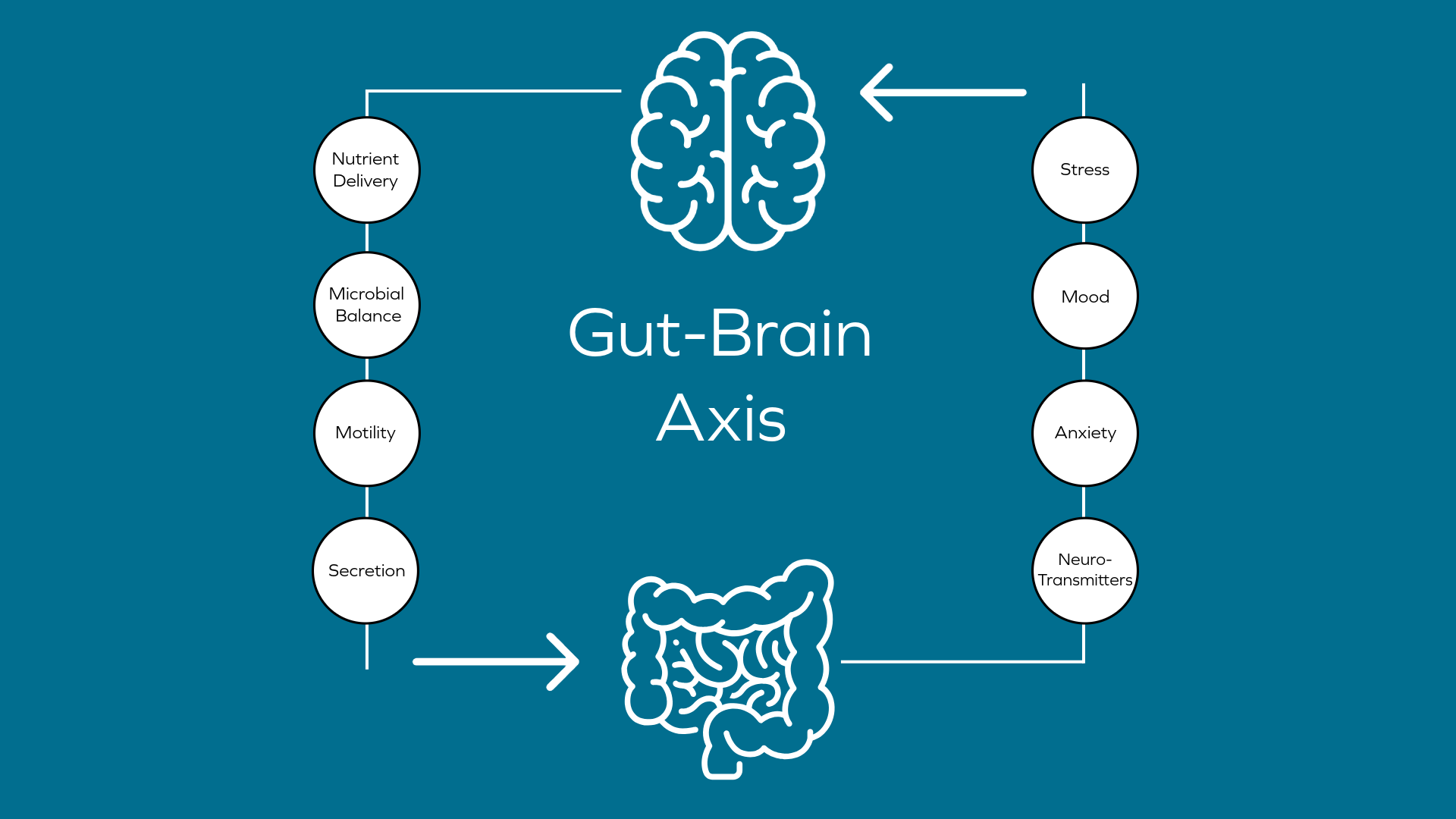
Estrogen and progesterone aren’t just reproductive hormones—they’re systemic powerhouses with push-pull dynamics that orchestrate everything from brain chemistry to bowel movements.
Hormone-Neurotransmitter Dynamics: The Push-Pull Effect
Estrogen = Serotonin
Estrogen ramps up serotonin synthesis, receptor density, and serotonin transporter expression. Think mood, increased motility, and a touch of anxiety.
Progesterone = GABA
Progesterone, especially its metabolite allopregnanolone, enhances GABAergic tone—think calm, slowed motility, and neural brakes.
Translation? Estrogen winds the system up, progesterone slows it down. A delicate neurochemical see-saw.
Luteal Phase Diarrhea: A Symptom of Hormonal Mismatch?
- During the luteal phase, progesterone should stabilize GI function via its GABA-like effects.
- But if estrogen dominates (estrogen excess or progesterone deficiency), the result is:
- Increased histamine – estrogen downregulates DAO, the enzyme that breaks down histamine
- Histamine → gut hypermotility → diarrhea….add in serotonin overdrive, and you’ve got a recipe for mood swings and bowel shifts.
Clue: If diarrhea hits right before your period, suspect an estrogen-histamine-serotonin axis gone rogue.
Estrogen & the Gut: Elegant—but Unruly When Imbalanced
- Estrogen is a powerful modulator of the gut-brain-immune axis. While it plays vital roles in maintaining GI health, it can also be a major disruptor—especially when unopposed by progesterone or not properly metabolized.
- Estrogen Increases Histamine—and Histamine Increases Estrogen
- A vicious loop for many women:
- Estrogen downregulates DAO (diamine oxidase)—the enzyme responsible for breaking down histamine in the gut.
- Estrogen can directly stimulate mast cells to release more histamine.
- Histamine, in turn, can stimulate the ovaries to release more estrogen.
Estrogen dominance → Histamine excess → Gut symptoms like: Diarrhea, Bloating, Nausea, Cramping (especially premenstrually)
Motility Mayhem: Serotonin & Estrogen
- Estrogen upregulates tryptophan hydroxylase, the enzyme that makes serotonin in the gut (where ~90% of serotonin lives).
- More serotonin = increased peristalsis → can lead to loose stools or IBS-like symptoms, especially in the follicular or ovulatory phase when estrogen peaks.
- Women with IBS often report fluctuating symptoms across their cycle, with looser stools mid-cycle (estrogen high) and constipation in the luteal phase (progesterone high).
Estrogen & Gut Barrier Function
- Estrogen has a protective effect on gut mucosa at optimal levels.
- It enhances tight junction integrity (via ER-β signaling) and promotes mucosal blood flow.
- But in excess, especially with poor estrogen detoxification, it may fuel low-grade inflammation and increase gut permeability via histamine and immune activation.
- Estrogen is biphasic in the gut—protective in balance, inflammatory in excess. Its influence on mast cells, histamine degradation (DAO), and serotonin makes it a key player in female GI disorders, especially cyclical diarrhea, IBS, and food sensitivities.
Bottom Line: Estrogen and progesterone are not just reproductive—they’re neurometabolic regulators. Their balance influences bowel regularity, histamine reactivity, neurotransmitter tone, and how you metabolize food.