Dr. Liz Bartman
How Sulforaphane Impacts Estrogen:
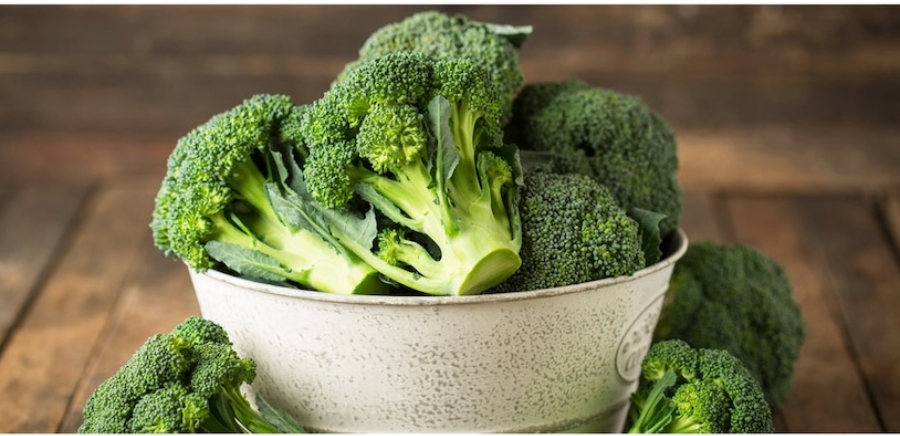
Broccoli and broccoli sprouts are made up of many cellulose chambers that contain myrosinase. If these chambers become damaged, the myrosinase enzymes mix with a glucosinolate called glucoraphanin and form sulforaphane. Baby broccoli (sprouts) contain the highest concentration of myrosinase to protect the sprout from mold damage, ensuring that it survives to become broccoli. When we eat sprouts, these two compounds mix in our digestive tract and become sulforaphane. Myrosinase is also produced by our gut microbes and is found in many foods, including mustard seeds. This means that we can take glucoraphanin as a supplement, concentrated from sprouts, which will then interact with bacteria in our colon to produce sulforaphane, boosting our cellular antioxidant response (1).
The caveat is that if you take sulforaphane directly as a supplement, it has a short half-life and will denature in stomach acid, rendering it inactive as an antioxidant. This is why, when supplementing, you should look for glucoraphanin.
Exposure And Dose: The Key To Effective Supplementation
Glucoraphanin also has a short lifespan in which it can be broken down, converted, and utilized in the body.
This is why we have partnered with TruBroc® for our glucoraphanin sourcing. TruBroc® is specifically formulated with long-lasting glucoraphanin as a precursor to sulforaphane, lasting up to 72 hours, allowing the body ample opportunity for exposure and support from bioavailable sulforaphane. It is also formulated with a 10:1 ratio of TruBroc® to mustard seed powder with vitamin C (2), which has been shown to enhance the potency and bioavailability of sulforaphane.
Not only do we have the long-lasting glucoraphanin ingredient, but we also get the advantage of mustard seed powder to enhance sulforaphane conversion!
Why Does Sulforaphane Matter?
Sulforaphane is widely known for its antioxidant capacity and beneficial effects on estrogen metabolism:
- Phase I metabolism: Sulforaphane improves CYP enzyme function by driving up CYP1A1 expression, encouraging more 2-OH E1 synthesis, and reducing 4-OH and 16-OH activity.
- Phase II metabolism: Sulforaphane boosts UGT and SULT enzyme activity for optimal excretion in bile and urine.
- Phase III metabolism: Sulforaphane impacts β-glucuronidase activity to reduce estrogen recycling from the gut.
Beyond Estrogen: Sulforphane & NRF2- A Star Player In Antioxidant Support
Sulforaphane is noteworthy for its NRF2 activity. Nuclear Factor Erythroid 2-Related Factor 2 (NRF2) activates the body’s natural defense systems against toxins and oxidative stress. It regulates the expression of more than 200 genes involved in detoxification, antioxidant production, and cellular repair.
Cellular stress ➔ NRF2 activation in the cell nucleus ➔ Production of detoxification enzymes such as glutathione, superoxide dismutase (SOD), and catalase, which neutralize free radicals, remove toxins, and reduce inflammation. NRF2 is critical for cellular repair and healthy apoptosis signaling.
NRF2 activity is widespread in the body, beyond just the liver! It supports:
- Brain health: Reduces oxidative burden on neurons, improving brain function and cognition.
- Lungs: Defends against pollutants that contribute to diseases like asthma and COPD.
- Skin: Protects against UV radiation and environmental pollutants while slowing skin aging.
- Pancreas: Improves insulin sensitivity and reduces oxidative damage for better metabolic health.
- Heart and blood vessels: Reduces plaque formation and inflammation.
- Gut health: Reduces the pathogenicity of H. pylori and stabilizes the gut microbiome (3).
- Environmental toxin removal: In urine, sulforaphane activates glutathione-derived conjugates of pollutants like benzene and acrolein, improving harmful toxin excretion by 20-50% (significantly reducing exposure risk (3)).
Research has highlighted sulforaphane as an anticarcinogen against multiple cancers, including breast, uterine, colon, and prostate cancers.