EndoAxis Clinical Team
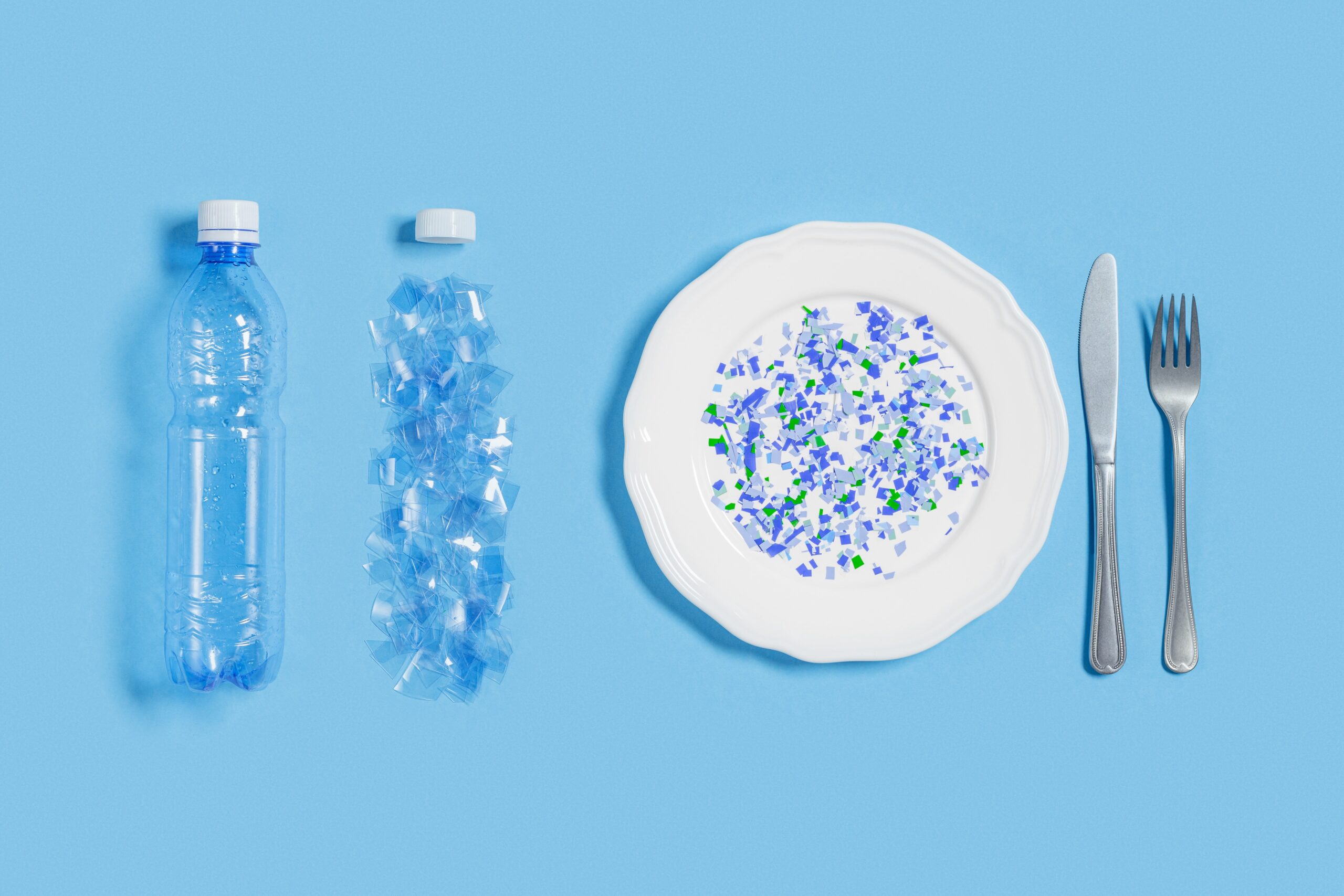
Beyond the ingredients, the packaging matters when it comes to hormone health!
We have been diving into our ingredients and value in formulations, but did you know the packaging has been just as much a conscious choice as the ingredients we use?!
Glass vs. Plastic: The Science Behind a Healthier Choice for Supplement Bottles
While many companies opt for plastic supplement bottles due to their affordability and ease of manufacturing, at EndoAxis we refuse to compromise on purity and health.
That’s why we made the conscious choice to package our supplements in glass bottles instead of plastic—despite the challenges.
The Challenges of Choosing Glass
From a logistical perspective, plastic is undeniably easier to work with. Manufacturers prefer plastic because their machines can rapidly fill and process plastic bottles in large quantities. Glass, on the other hand, requires careful handling—each bottle must be placed manually into the manufacturing line. Additionally, shipping plastic is more convenient, as there’s no risk of breakage.
This means that there is an expected net loss in a few of our bottles just during the transportation process.
But we were okay with this risk! Why? Because plastic is a BIG problem.
The Science: Why Plastic is a Problem
The decision to use glass wasn’t just about aesthetics; it was about optimizing patient health. Plastic packaging introduces significant concerns due to two primary issues: endocrine-disrupting chemicals (EDCs) and microplastics.
Endocrine-Disrupting Chemicals (EDCs)
Plastics leach harmful EDCs, which interfere with the body’s hormonal balance. The Endocrine Society reports that over a thousand chemicals in modern consumer products—including water bottles, food packaging, and even clothing—can impact fertility, testosterone levels, and overall health. These chemicals have been linked to declining testosterone in men and fertility issues in women.
Microplastics in Our Bodies
Another alarming study found that people ingest between 0.1–5 grams of microplastics weekly through sources such as food, beverages, synthetic clothing (gym clothes, underwear), and, yes, even from supplement bottles. Even worse, plastic containers can release billions of microplastic and nanoplastic particles into their contents. Research shows that:
- Heating plastic containers in a microwave releases up to 4.22 million microplastic particles in just three minutes. We obviously do not heat our products, but consider the transportation process, especially in hot summer months. Trucks are not generally temp-regulated. So although our storage and distribution are thermo-controlled, once these products load up on a truck – it’s anyone’s guess.
- However, even storing items in plastic for over six months can release millions to billions of microplastic and nanoplastic particles—even at room temperature.
These microscopic plastic particles have been associated with hormone disruption, gut microbiome imbalances, oxidative stress, and long-term health risks.
10 Simple Ways to Reduce Plastic Exposure
| Filter your water | Microplastics are in as much as 94% of American tap water – but they can be filtered out by simple carbon or distillation filters! |
| Switch to glass or stainless-steel water bottles | Plastic water bottles have nearly double the amount of microplastics as tap water! A simple but effective change is to ditch the plastic water bottle and use your own. |
| Choose fresh, animal-based foods | Processed and packaged foods almost always come in plastic. |
| Bring a reusable coffee cup | Takeout cups are lined with plastic, and heat accelerates plastic leaching. |
| Opt for cotton over polyester clothing | Especially for undergarments and yoga pants, as synthetic fibers shed microplastic at every wash. One study showed acrylic fabrics release more than 700,000 microplastics per wash! In fact, 35% of the microplastics that enter the ocean come from synthetic fibers. |
| Use wooden cutting boards | Plastic cutting boards release microplastics into your food with every cut. |
| Store leftovers in glass containers | And never heat food in plastic. |
| Swap over to wool dryer balls | Dryer sheets, especially if permeated by clothes washed in fabric softener or scent beads (even the “organic” kind!), can contain volatile organic compounds associated with neurological issues, dermatologic issues, and reproductive concerns. |
| Ditch cosmetics with “exfoliators” or plastic excipients | Microplastics are commonly incorporated into personal care products to enhance texture, serve as a thickening agent, or create a protective film on skin for things like water-proof sunscreen. They are also added to “lightening” or “antiaging” creams because they can give the skin a pearlescent or opaque finish. There are currently over 500 microplastic ingredients used in cosmetics, and they are underregulated by the FDA. Verify healthy products through companies like The Plastic Soup Foundation, Clearya and the Environmental Working Group. |
| Choose supplements in glass bottles | Ditch plastic-packed supplements and opt for purer alternatives. |