EndoAxis Clinical Team
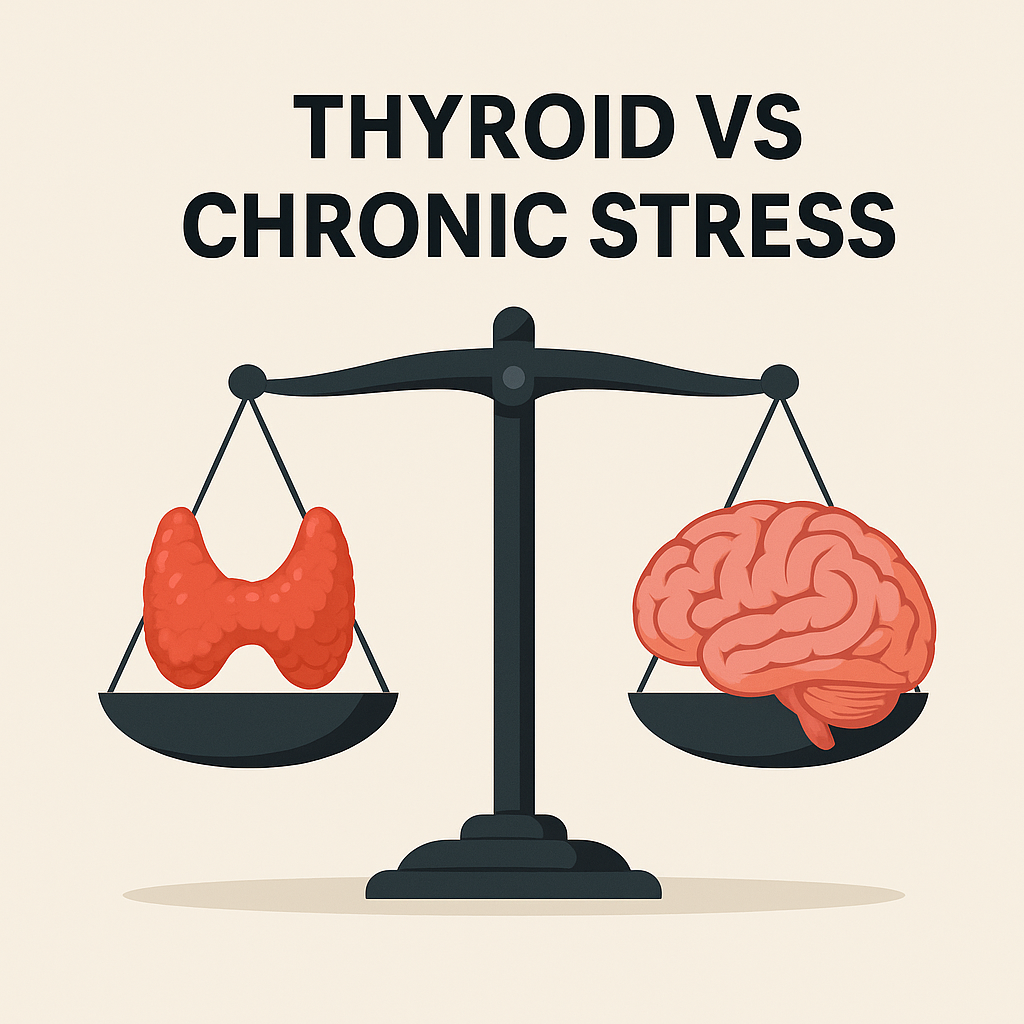
We’ve explored cortisol patterns and testing methods—now, let’s take it a step further. By analyzing cortisol metabolism, we gain deeper insights into thyroid function, inflammation, endocrine balance, and overall hormone homeostasis. Through dried urine testing, we can assess cortisol metabolism patterns, which reveal crucial insights into stress adaptation and endocrine function.
One of the most telling patterns on dried urine testing is high free cortisol with low metabolized cortisol, often linked to low thyroid function or impaired liver clearance. But how do we differentiate between true hypothyroidism and chronic stress adaptation? This is where peripheral cortisol preferences provide critical clues.
Thyroid Dysfunction
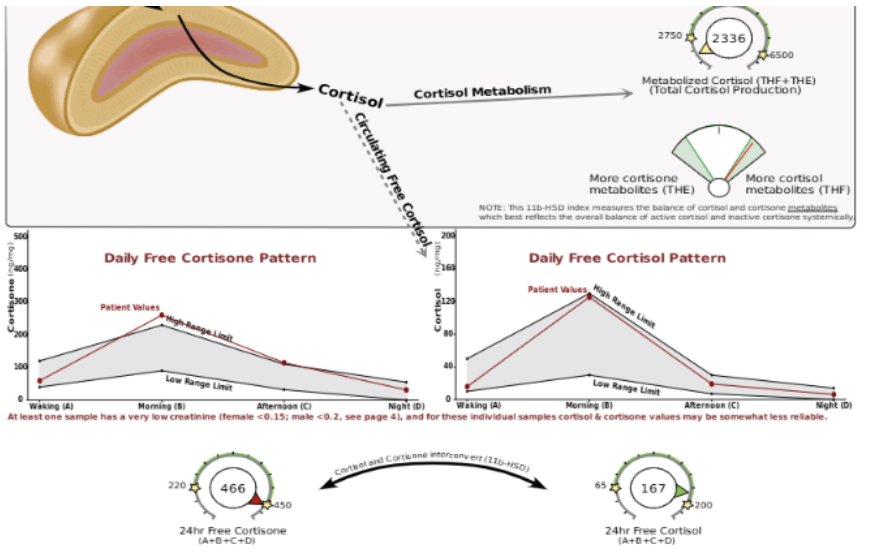
- Increased conversion to active cortisol (THF) peripherally
- Suggests slowed cortisol clearance due to low thyroid function
Why? Thyroid hormones regulate liver enzymes responsible for cortisol metabolism. When thyroid function slows, cortisol lingers in circulation longer, increasing tissue exposure and altering metabolic processes like gluconeogenesis and insulin sensitivity.
Chronic Stress Adaptation

- Preference for inactive cortisone (THE) in peripheral tissues
- Indicates a possible stress adaptation – wherein cortisol binding globulin is lower, creating a higher free cortisol response, while total production is actually low
Why? Inflammatory cytokines like TNF-α and IL-6 activate 11β-HSD2, an enzyme that converts cortisol to its inactive form (cortisone). Cortisol binding globulin (CBG) is regulated by the liver and may have reduced synthesis in response to liver inflammation, low vit. D, and chronic stress signals. In turn, more free cortisol is left free for circulation, but ultimately the HPA axis is blunting ACTH and lowering total daily cortisol output and augmenting the form of cortisol that is processed by the body (which then results in lower daily metabolism). This is the body’s protective mechanism to prevent excessive cortisol damage, but it can also leave patients feeling fatigued and metabolically sluggish.